

A garden border that has been designed thoughtfully and carefully can completely transform an outdoor space. It softens hard landscaping and introduces texture, while creating a sense of movement throughout each season. Whether you plan to framing a lawn, line a pathway, or define the edge of a terrace, a border that has been planned well brings a garden together in a way that feel will not feel natural but also inviting.
Many would be gardeners begin by choosing their favourite flowers, only to eventually find out that the finished result feels a little disjointed or lacks interest for a large portion of the year. The real secret to creating a successful garden border design is to think well beyond individual plants and consider the bigger picture. Shape and structure along with seasonal change and the character of the surrounding landscape will all play a very important role.
At Chris Deakin garden design services, borders are considered an essential part of the overall composition, as they help to create gardens that feel balanced and elegant right throughout the year.
Start with the Shape of the Border
Before you set off and start selecting any planting, it is worth investing some time in considering the shape and proportions of the border itself.
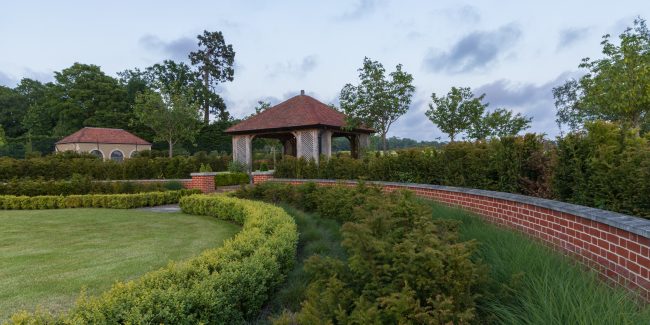
Long, straight borders can work very well in more formal gardens, as they can complement traditional architecture and create a sense of order. Curved borders often feel much softer and a little more relaxed, as they will gently lead the eye through the landscape while making a garden appear larger.
The width of the border is also equally important. One of the most common mistakes gardeners make is, making borders too narrow and leaving little room for variation in height. A generous border allows different layers of planting to develop naturally and creates far greater visual impact.
When you are designing a border, a good tip is to step back for a minute and view it from the house, seating areas and pathways in order to understand how it will be experienced throughout different parts of the garden.
Understand Your Growing Conditions
Even the most carefully planned border will struggle if the conditions are unsuitable for the plants that you have come to select.
Always take your time while considering how much sunlight the area receives during the day and the type of soil you have along with keeping in mind whether the location is exposed to strong winds. Damp clay soils will support different planting to dry, sandy ground, while a shady border beneath mature trees presents its own opportunities and challenges.
Working with the natural conditions of the garden will often lead to healthier plants and lower maintenance in the long run, while creating a more harmonious appearance.
A professional garden designer will always begin by understanding the site before making any planting decisions, in order to make sure that the finished border develops successfully over time.
Create a Strong Framework
One of the biggest differences when we compare an amateur planting scheme and a professionally designed border is the use of structure.
A border should never completely rely on flowers for interest. Evergreen shrubs and ornamental grasses along with carefully chosen architectural plants provide a framework that will remain attractive right throughout the year. These permanent features will help the garden to retain its character during the colder months when many perennials will have died back.
Seasonal planting can then be woven through this structure, which will create changing displays without any risk of losing the overall sense of balance.
At Chris Deakin Garden Design, structure is often used to establish rhythm and continuity, this makes sure that a border remains beautiful in every season.
Think in Layers
Successful garden borders usually contain a variety of heights that will work together to create depth and interest.
Taller plants can provide a backdrop and medium sized varieties fill the middle of the border, while lower growing species soften the front edge to help connect the planting with surrounding paths or lawns.
Rather than arranging plants in strict rows, you will find that natural groupings will often produce a more relaxed and convincing effect. Repeating these groups throughout the border creates harmony while avoiding the chance of any unnecessary complexity.
Allowing enough space for plants to mature is equally important, as overcrowding may create an immediate impact, but it can quickly lead to maintenance problems and an untidy appearance.
Choose a Colour Palette
Colour has a significant influence on the atmosphere of a garden.
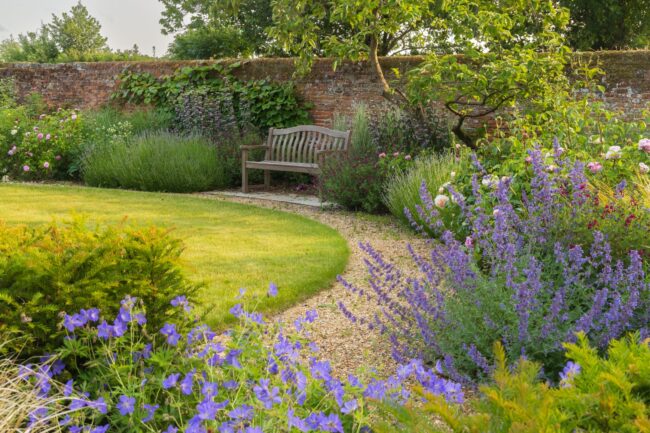
Softer whites, blues and purples can create a calm and elegant feel, while warmer reds, and oranges will bring a dash of energy and vibrancy to the landscape. Limiting the number of dominant colours can help a border feel more cohesive and sophisticated.
Foliage should never overlooked either, as silver leaves and burgundy tones can provide contrast and interest long after flowering has finished.
By taking a little time and thinking carefully about colour combinations, it is possible to create a border that will complement the style of both the garden and the home.
Plan for Year Round Interest
A common question keen gardeners have asked me when they are learning how to design a garden border is how to keep it looking attractive right throughout the year.
The answer here lies in selecting a range of plants with different seasons of interest.
Spring bulbs can provide early colour, which can then be followed by summer perennials and ornamental grasses. Autumn foliage and berries will add warmth later on in the year, while evergreen shrubs and attractive bark maintain structure during the colder winter months.
Rather than creating a single spectacular display for just a handful of weeks, try to aim for a sequence of changing highlights that will encourage your garden to evolve along with the seasons. This approach will often create a more rewarding and sustainable planting scheme.
Add Texture and Movement to the Border of Your Garden
A successful border appeals to more than just the eye.
The combination of different leaf shapes and flower forms creates texture and movement that can really make a garden feel much more alive. Tall grasses swaying in the breeze and delicate seed heads catching the morning light will contribute to a much richer experience.
Mixing fine textures with bold architectural planting helps to create depth while making sure that the border remains visually interesting even when flowers are not quite at their peak.
Consider the Wider Garden Beyond the Border
A border should never feel like it is isolated from the rest of the landscape, so make sure that you always think carefully about how it connects with terraces and pathways. If you are planning a complete transformation, understanding how to design a garden layout can help ensure that borders, seating areas and planting schemes work together as part of a cohesive overall design.
At Chris Deakin Garden Design, planting is always considered as part of the wider landscape, making sure that each and every element works together to create a cohesive outdoor space.
Common Garden Border Mistakes to Avoid
The main reasons that many garden borders fail is because they are rushed or have been overcomplicated.
Some of the most common mistakes include planting too many different species, choosing plants that are not suitable for the conditions, creating borders that are too narrow and focusing only on the flowers while completely ignoring structure.
There is no doubt that patience is one of the most underrated and valuable design tools. Allowing a border to develop gradually can lead to a stronger and more balanced result than trying to achieve instant maturity.
When to Seek Professional Garden Design Advice
Designing a garden border can be an extremely enjoyable project to take on yourself, but larger or more complex gardens will often benefit from professional guidance.
An experienced designer can help assess the site and develop a planting scheme that complements both the property and the wider landscape. This can save time and avoid costly mistakes, which helps you achieve a result in a garden that continues to improve with age.
Whether you are creating a contemporary space, a traditional cottage garden or a refined country landscape, thoughtful border design can become one of the defining features of the garden.
Frequently Asked Questions
How do you design a garden border for beginners?
Make a start by understanding the conditions of the site and choosing a simple colour palette that includes a mixture of structural planting and seasonal interest. Avoid overcrowding and allow plants room to grow.
What is the best shape for a garden border?
This depends on the style of the garden. Straight borders will usually suit formal landscapes, while gentle curves often create a softer and more natural appearance.
How wide should a garden border be?
A wider border generally offers greater flexibility for layering planting and creating visual impact. Even in smaller gardens, allowing enough depth for a variety of heights will improve the finished result.
How can I make my garden border look good all year?
Combine evergreen structure with plants that provide interest across different seasons, including bulbs, perennials, grasses, autumn foliage and winter features.
Can a professional garden designer help with planting schemes?
Yes. A professional garden designer can create a planting plan tailored to the conditions of your garden and your personal preferences, helping to achieve a balanced and long lasting result.
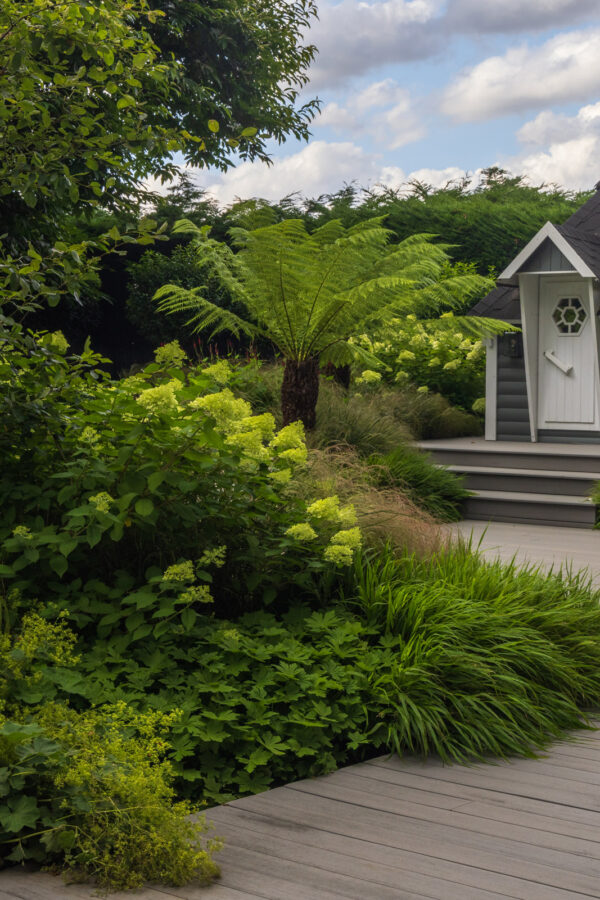
Norfolk Woodland Garden
This beautiful family home on the edge of Norwich, was built amongst a number of wonderfully established trees, giving the site a woodland feel.
Read More
Suffolk Contemporary Cottage Garden
A contemporary retreat blending tradition with modern design.
Read More
Norfolk Contemporary Flint House
A beautiful, contemporary flint house situated in a small village in North Norfolk
Read More
Norfolk House in the Norfolk Broads
Beautiful thatched, brick farmhouse, situated in the heart of the Norfolk Broads.
Read More