

Designing a small garden can feel surprisingly difficult. With limited space on hand, every decision matters even more. There is less room for error and less space to hide any mistakes, and often a stronger desire to make the garden feel bigger than it really is.
But this is also where the opportunity lies.
A well-designed small garden can feel more considered, more impactful, and more enjoyable than a larger space that lacks in structure. The key is not trying to do more, but doing the right things in the right way.
If you are wondering how to design a small garden, the goal is not just to fit everything in. It is to create a space that feels intentional, balanced, and easy to use.
Start With How You Want the Space to Feel
Before thinking about layout or features, take a quick step back and consider the experience that you want to create.
Small gardens tend to magnify emotion. A cluttered layout can feel overwhelming, while a calm and well-structured space can feel far more expansive than it actually is.
Ask yourself what you want from the garden. Do you want somewhere quiet to relax, or a space that works for entertaining? Should it feel modern and architectural, or softer and more natural?
Once this direction is clear, it becomes much easier to make decisions with confidence.
This is often the starting point for Chris Deakin’s Garden Design services, where even the smallest spaces are approached with the same level of thought as larger landscapes.
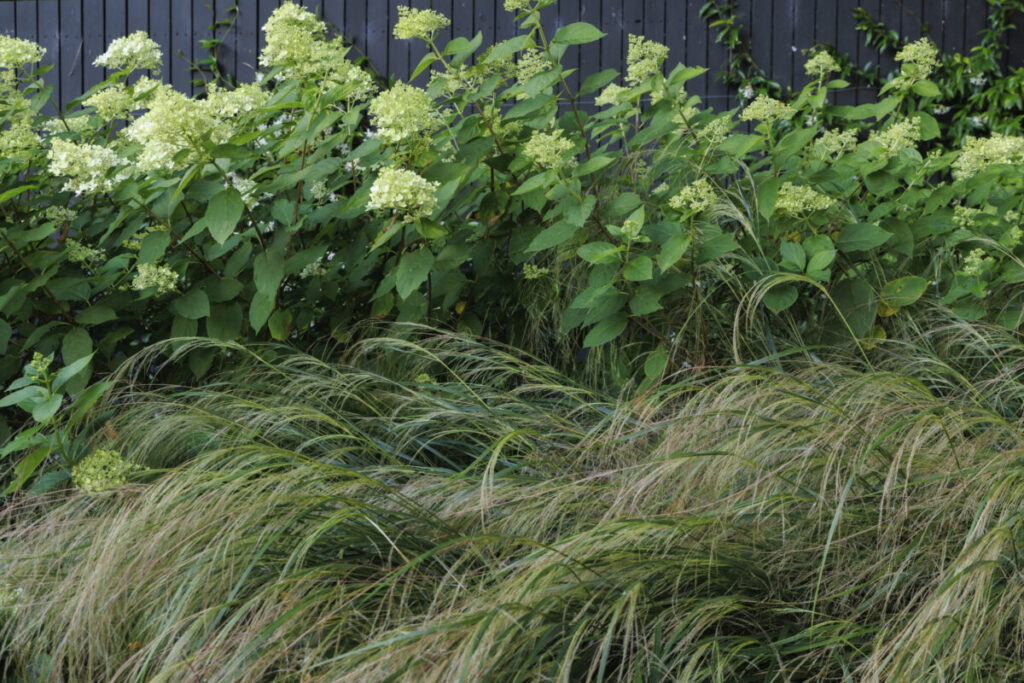
Keep the Layout Simple and Clear
One of the most common mistakes in small garden design is trying to include too much. When space is more limited, complexity quickly becomes clutter.
A strong layout in a smaller sized garden is usually simple, with a clear structure that is easy to understand at a glance.
Rather than breaking the space into too many sections, keep your focus on a few well-defined areas that flow naturally into one another. This might include a main seating area and a small planting zone, along with a focal point that anchors the design.
Clarity creates a sense of calm, and in smaller spaces, that calm is what makes the garden feel larger.
Use Zoning to Create Depth
Even in a compact garden, creating subtle zones really can make a significant difference. The key is to keep these zones connected rather than overly separated.
Instead of dividing the garden harshly, it is better to think in terms of gentle transitions. Changes in levels, or planting can help define different areas without breaking the flow.
For example, a slightly raised seating area or a shift in paving can signal a change in use without making the space feel any smaller.
This layered approach creates depth, which is one of the most effective ways to make a small garden feel more expansive.
Think Carefully About Movement
When it comes to smaller gardens movement is often overlooked, but it plays a really important role in how the space is experienced.
If movement feels restricted or a little awkward, the garden can feel even smaller than it is. If it feels natural and intuitive, the space opens up.
Consider how you will move through the garden and where you are likely to pause. Even a short pathway or a few stepping stones can introduce a sense of journey, making the garden feel much more dynamic.
Curved lines can help soften the space and create a sense of flow, while straight lines can add structure and formality. The right choice depends on the overall feel that you are looking to achieve.
Create a Strong Focal Point
In a small garden, a focal point is essential. It gives the eye somewhere to land and helps organise the space visually.
Without a focal point, the garden can feel scattered or unfinished. With one, it gains clarity and purpose.
This could be a feature such as a statement plant, or a piece of garden sculpture. It does not need to be large, but it does need to feel intentional.
Positioning is really important here. Ideally, the focal point should be visible from the main seating area or from inside the house, creating a visual connection that draws you into the space.
Make the Space Feel Bigger Than It Actually Is
One of the key goals when learning how to design a small garden is creating a sense of space beyond the physical boundaries.
There are several subtle ways to achieve this:
- Use consistent materials throughout the garden to avoid visual fragmentation
- Keep colour palettes relatively restrained to maintain cohesion
- Introduce vertical elements such as planting or screens to draw the eye upward
- Avoid overcrowding the space with too many features
These techniques work together to reduce visual noise and create a more open, expansive feel.
Balance Hard Landscaping and Planting
In smaller gardens, the balance between built elements and planting becomes even more important. Too much paving can make the space feel hard and confined, while too much planting can make it feel a bit overgrown.
The most effective designs find that perfect middle ground.
Hard landscaping provides structure and usability, while planting softens the space and adds life. When these elements are combined thoughtfully, the garden feels both practical and inviting.
Chris Deakin Garden Design will always choose the most appropriate garden design principles and techniques to transform compact outdoor spaces into environments that feel far more generous than their size suggests.
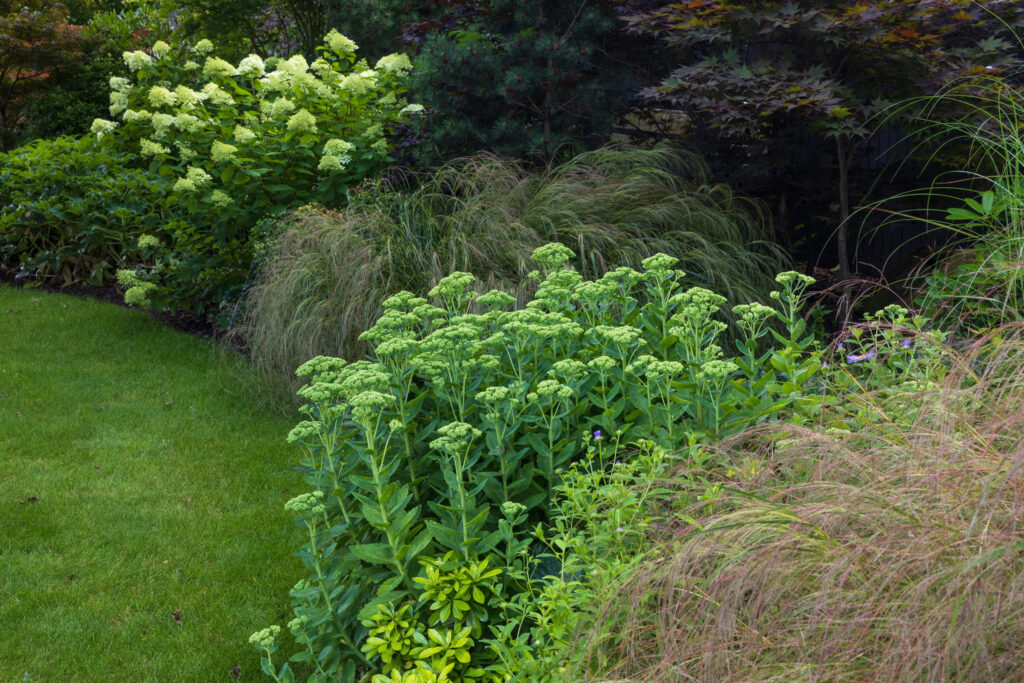
Designing a Smaller Garden With Light in Mind
Light plays a powerful role in how a small garden feels. Areas that receive more sunlight tend to feel larger and more welcoming, while darker areas can feel enclosed.
Think about how light moves through the space during the day. Position seating areas where they will receive the most benefit, and consider how planting or structures may cast shadows.
You can also enhance the sense of space by using lighter materials or reflective surfaces, which help bounce light around the garden.
Avoid These Common Small Garden Mistakes
Designing a garden that is smaller requires restraint and clarity. A few common mistakes can quickly undermine the space if they are not addressed.
- Trying to include too many features, leading to a cluttered layout
- Ignoring scale, resulting in elements that feel disproportionate to the space
- Breaking the garden into too many separate sections, which reduces flow
- Focusing too much on appearance without considering how the space will be used
The most successful little gardens are those that feel simple, intentional, and easy to navigate.
When to Consider Professional Design
Small gardens often benefit the most from professional input. With limited space, every decision has a greater impact, and there is less room to correct mistakes later.
Working with a designer allows you to make the most of every square metre, making sure that the layout feels balanced and functional, while remaining visually cohesive.
Chris Deakin Garden Design approaches small spaces with the same level of care as larger projects, creating gardens that feel purposeful and refined regardless of their size.
Final Thoughts
Understanding how to design a small garden is about making thoughtful decisions rather than just filling space. It is about creating clarity and introducing structure, while making sure that every element has a purpose.
When done well, a small garden can feel spacious and highly enjoyable to use. It becomes less about the size of the space and more about how effectively it has been designed.
FAQs
How do I make a small garden look bigger?
Focus on simplicity, consistent materials, and a clear structure. Avoid overcrowding and use vertical elements to draw the eye upward and create a sense of depth.
What is the best layout for a small garden?
The best layouts are simple and well-structured, with a clear focal point and a natural flow between areas. Keeping the design uncluttered is key.
Should I include a lawn in a small garden?
This depends on how you want to use the space. In some cases, replacing a lawn with a seating or planting area can make the garden feel more usable and visually appealing.
How many features should a small garden have?
Fewer is usually better. A small number of well-chosen features will have a greater impact than trying to include too much.
Is it worth hiring a garden designer for a small garden?
Yes, especially if you want to maximise the space effectively. Professional design can help avoid common mistakes and create a layout that feels both functional and refined.
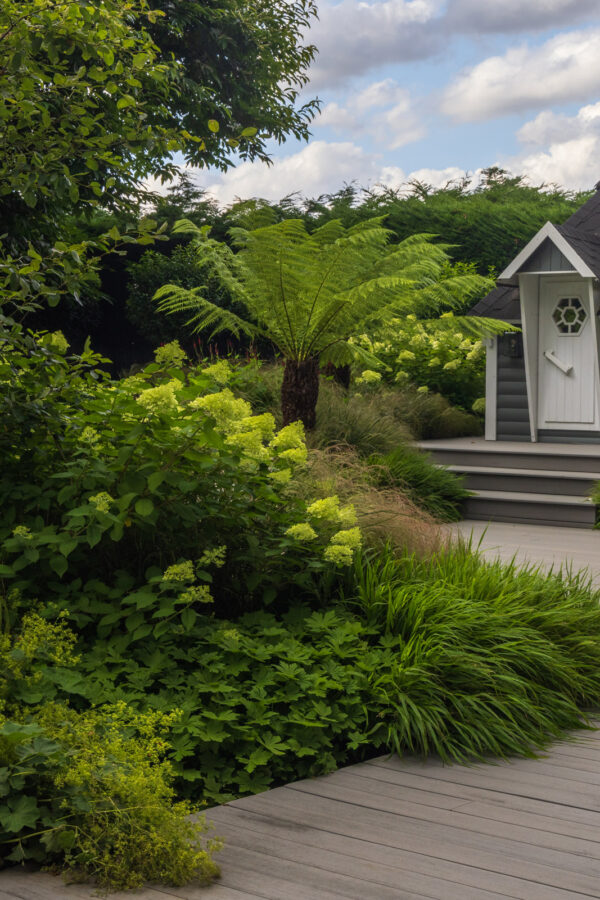
Norfolk Woodland Garden
This beautiful family home on the edge of Norwich, was built amongst a number of wonderfully established trees, giving the site a woodland feel.
Read More
Suffolk Contemporary Cottage Garden
A contemporary retreat blending tradition with modern design.
Read More
Norfolk Contemporary Flint House
A beautiful, contemporary flint house situated in a small village in North Norfolk
Read More
Norfolk House in the Norfolk Broads
Beautiful thatched, brick farmhouse, situated in the heart of the Norfolk Broads.
Read More