

There is something that is undeniably special about a cottage garden. Overflowing borders and climbing roses paired with winding pathways that create spaces that feel both welcoming and timeless. Unlike more formal styles of landscaping, a cottage garden design has a relaxed character that will help to encourage exploration and change beautifully with the seasons.
If you are wondering how to design a cottage garden, the secret actually lies in balancing structure with natural looking planting. The most successful gardens that I have seen, often appear effortless, but they have actually been carefully planned to make sure that the colour, and texture remain right throughout the year.
Whether you have a compact garden in Norwich or a larger country property in Norfolk, the principles of cottage garden design can still be adapted in order to suit your space. Norfolk’s varied landscapes, ranging from historic market towns to expansive countryside properties, provide the perfect backdrop for the timeless appeal of the cottage garden, with each of these settings offering opportunities to create something really unique.
At Chris Deakin Garden Design, these traditional ideas are often combined with a sprinkle of contemporary touches to create gardens that feel authentic and perfectly suited to modern living.
Start with the Character of Your Garden
Before choosing plants or features, it is well worth thinking about the personality of your outdoor space. A cottage garden should feel like it is well connected to its surroundings rather than being imposed upon them.
Take inspiration from the style of your own home and the local landscape. A traditional flint cottage in rural Norfolk may suit relaxed planting and winding pathways, while a contemporary home in NR3 could combine cottage garden favourites with cleaner architectural lines.
The aim here is not to create a perfect copy of a traditional cottage garden, but to capture the qualities that make them so appealing. These will often include:
- Softer and more informal planting.
- Curving pathways and gentle transitions.
- A mixture of ornamental and practical planting.
- Traditional materials such as brick, gravel and stone.
- Plenty of seasonal colour and fragrance.
When these elements are combined thoughtfully, the result is a garden that feels established and inviting.
Build a Strong Framework
One of the biggest misconceptions that I hear about cottage gardens is that they simply evolve without any planning. When in reality, the very best examples have a strong underlying structure that will provide balance and organisation.
Try to think carefully about how people will move through the space itself. A gently winding path can encourage your guests to explore your cottage garden, while carefully placed seating will allow different parts of the garden to be enjoyed throughout different parts of the day.
Features such as pergolas and low walls can help with dividing the garden into slightly smaller areas without making it feel too enclosed. These structural elements will also provide support for any climbing plants and help maintain interest during the winter months.
Chris Deakin often incorporates carefully considered hard landscaping into his designs, creating gardens that remain beautiful even when seasonal flowers have faded.
Create Abundant Planting in Your Cottage Garden
Planting is where a cottage garden well and truly comes to life and the goal is to create generous borders that feel rich without becoming overcrowded.
Rather than planting individual specimens in isolation, cottage gardens rely on layers of plants that complement one another in both form and flowering time. Taller plants can be used to create height and drama, while lower growing varieties soften pathways and fill gaps between larger specimens.
Traditional favourites remain a popular choice because they work so well together. Consider including:
- Foxgloves and delphiniums for added height.
- Roses and peonies for an injection of colour and fragrance.
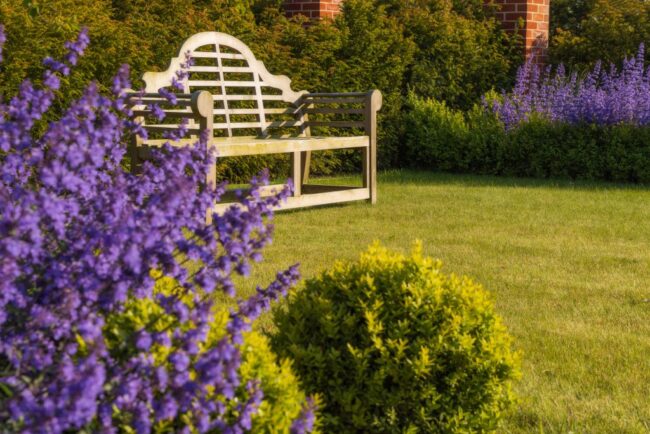
- Lavender and nepeta to soften edges.
- Hollyhocks and lupins for that added classic cottage garden charm.
- Hardy geraniums for long lasting ground cover.
If you mix these with ornamental grasses and evergreen shrubs you can be confident that the garden will retain interest beyond the height of summer.
Think About Colour Throughout the Seasons
A cottage garden is more often than not, closely associated with an explosion of colour, but successful planting schemes are usually much more considered than they first appear.
Repeating similar shades throughout the garden will help to create harmony, while on the other hand contrasting colours can be used to draw attention to particular areas. Softer shades of pinks and purples create a calming atmosphere, whereas warmer reds and oranges add a dash of energy and vibrancy.
It is also very worthwhile considering how the garden will change over the year. Spring bulbs can provide an early display, summer perennials bring abundance, autumn foliage will introduce some warmth, while evergreen planting allows the garden to retain structure during winter.
Planning for every season means there is always something to enjoy.
Introduce Height and Vertical Interest
A cottage garden should not simply spread across the ground, and that is why introducing height can help create depth and give the garden a more immersive feel.
Climbing plants are particularly effective in this respect, as they add softness to walls and fences while drawing the eye upwards. A simple timber arch covered in roses or clematis can become a focal point in its own right.
Vertical interest can also come from carefully chosen trees and shrubs that will provide shade and privacy while helping to frame views across the garden. For more space-savvy tips, make sure you also read my full article on how to design a smaller garden here.
Combine Beauty with Practicality
Traditional cottage gardens were designed to be productive as well as attractive. Flowers often grew alongside herbs and vegetables, while fruit trees also had their place, creating spaces that were both useful and beautiful.
This approach works just as well as ever today, as practical features can blend in seamlessly with the overall design, including:
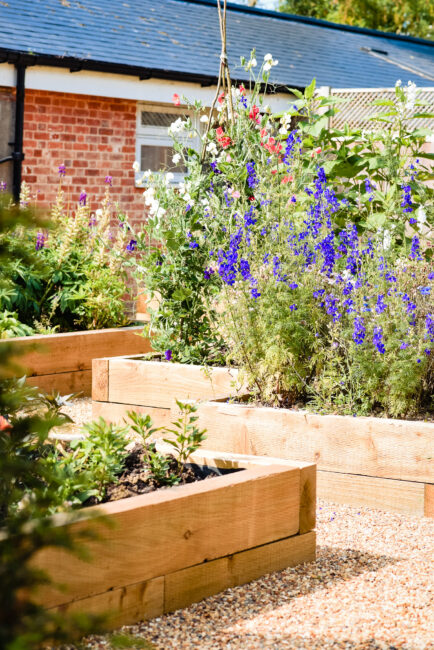
- Raised beds for growing seasonal produce.
- Herb gardens close to the kitchen.
- Fruit trees as ornamental focal points.
- Soft fruit bushes within mixed borders.
Combining edible and ornamental planting creates a garden that feels connected to everyday life while making the most of the space that you have available.
A Cottage Garden That Encourages Wildlife to Thrive
One of the greatest pleasures of a cottage garden is the sense of life it brings to an outdoor space.
Norfolk’s rich wildlife makes it an ideal place to embrace pollinator friendly planting, encouraging bees, butterflies and different types of birds to become part of the garden throughout the year. Some small yet savvy additions such as bird baths or wildlife ponds can make a significant difference without dominating the overall design.
Add Personal Touches
Perhaps the most appealing aspect of a cottage garden is that it actually reflects the people who enjoy it the most. Unlike highly formal gardens, there is more than enough room for individuality and creativity.
A bench beneath a tree that looks slightly weathered, or a reclaimed stone trough filled with herbs can add character and help the garden feel truly personal to you.
The best cottage gardens evolve over time and gradually develop their own unique identity rather than being completed straight away.
This philosophy is often reflected in the work of Chris Deakin Garden Design, where every garden is tailored to complement both the property and the lifestyle of the client.
Do Not Overlook Maintenance
Although cottage gardens do have a wonderfully relaxed appearance, they do really benefit from regular care. Deadheading flowers and pruning shrubs consistently will help to maintain healthy growth and prolong the flowering season.
Norfolk’s lighter soils and increasingly warm summers can influence plant performance, making local knowledge particularly valuable when it comes to selecting long lasting planting schemes. Choosing the right plants for your soil and local conditions can reduce maintenance while improving the long term success of the garden itself. Good design also considers practical factors such as access, watering and plant spacing from the outset.
A little planning can save a great deal of work in the years ahead.
Is Professional Garden Design Worth Considering?
Designing a cottage garden can be incredibly rewarding, but creating one that feels natural while remaining balanced does require careful thought and experience.
An experienced professional designer will understand how plants will mature and which combinations will work best, along with exactly how to create gardens that will provide interest throughout every season of the year.
Whether you are restoring an older garden or creating a completely new landscape, expert guidance can help transform ideas into a cohesive and lasting garden design that will continue to improve with age.
Frequently Asked Questions
What is a cottage garden?
A cottage garden is an informal style of garden that combines colourful planting with relaxed landscaping that creates a welcoming and characterful outdoor space.
What plants are best for a cottage garden?
Some classic choices include roses, foxgloves, delphiniums, hollyhocks, lavender, peonies, salvias and hardy geraniums, supported by evergreen shrubs and ornamental grasses.
Can a small garden become a cottage garden?
Yes, with the use of careful planting and vertical features paired with thoughtful layouts can bring the charm of a cottage garden to even the most compact spaces.
Are cottage gardens high maintenance?
They do require seasonal care, but choosing suitable plants and planning the layout carefully can make maintenance much more manageable.
Can a cottage garden have a modern look?
Yes, absolutely. Contemporary materials and clean structural elements can sit comfortably alongside traditional planting, creating a fresh interpretation of the classic style.
How long does a cottage garden take to establish?
Many plants become established within the first couple of years, although a cottage garden often becomes more beautiful as it matures and develops its own character over time.
Norfolk Woodland Garden
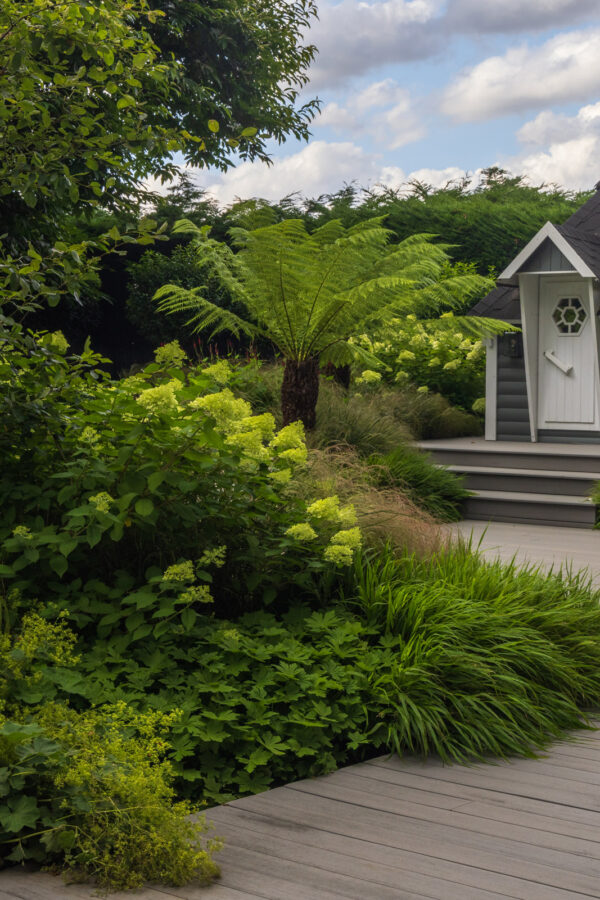
This beautiful family home on the edge of Norwich, was built amongst a number of wonderfully established trees, giving the site a woodland feel.
Read More
Suffolk Contemporary Cottage Garden
A contemporary retreat blending tradition with modern design.
Read More
Norfolk Contemporary Flint House
A beautiful, contemporary flint house situated in a small village in North Norfolk
Read More
Norfolk House in the Norfolk Broads
Beautiful thatched, brick farmhouse, situated in the heart of the Norfolk Broads.
Read More