

A beautifully designed flower garden is able to completely transform an outdoor space, bringing colour and texture while creating a place that feels both welcoming and uplifting. However, the most successful gardens are not usually the result of just choosing the most attractive plants and hoping that they work well together. They are more about careful planning, with every border, pathway and planting combination contributing to a balanced and cohesive looking design.
Learning the most effective way to design a flower garden layout is about gaining a good understanding of how people actually move through a garden and how plants change throughout the seasons along with how different colours and heights interact. A well layout that has been well considered not only looks stunning in summer but also continues to provide structure right throughout the year.
Whether you are creating a compact cottage garden on the outskirts of Norwich or planning an extensive landscape in a coastal property near Sheringham, investing time into the layout is one of the most important decisions you can make.
Begin By Considering the Purpose of the Garden
Before you select a single plant, it is good practice to ask yourself exactly how you want the garden to feel. Some garden lovers will dream of vibrant borders that are bursting to the brim with colour, while others will prefer a slightly more restrained planting palette that creates a calm elegance. Before focusing specifically on flower beds, it is often helpful to understand the wider principles of how to design a garden layout, as the overall structure should always guide the planting scheme.
The layout should reflect exactly how you intend to use the space, just as much as how you want it to look. Ask yourself honestly, if the garden will be viewed primarily from inside the house? Do you enjoy entertaining guests outdoors? Is it somewhere you will love relaxing and reading a book quietly after work, or should it provide year round interest for the whole family?
By answering these questions before you get started, every design decision will become easier. Rather than just filling borders for the sake of it, each planting area begins to serve a clear and defined purpose within the garden’s overall landscape.
Create a Clear Structure Before Choosing Any Flowers
One of the biggest mistakes that homeowners make is thinking about their flower selections before they even consider the overall framework of the garden.
A professional garden designer will usually start off by establishing the permanent structure using paths, lawns, hedging and shrubs. This will create a strong backbone that gives the garden shape throughout the year, even when flowers have faded.
Elements that will provide you with a long term structure include:
- Evergreen hedging.
- Feature trees.
- Shrub planting.
- Garden paths.
- Terraces and seating areas.
- Architectural features.
Once this framework is firmly in place, flowering plants can be introduced to soften the design and add seasonal colour without making the space feel overly-cluttered.
Think About Views from Every Angle
A flower garden should never be designed from just one viewpoint.
As you wander through the space, different planting combinations and focal points should gradually reveal themselves. In the same way, the garden should look attractive when it is viewed from inside the house during every season, not just when you are sitting outdoors in the summertime.
Creating these changing perspectives makes a garden feel larger and will encourage people to explore it more rather than just admiring it from a distance.
At Chris Deakin Garden Design, careful consideration is always given to how each area will connect with the next, which makes sure that every view feels intentional and beautifully composed.
Layer Your Plants Based on Height
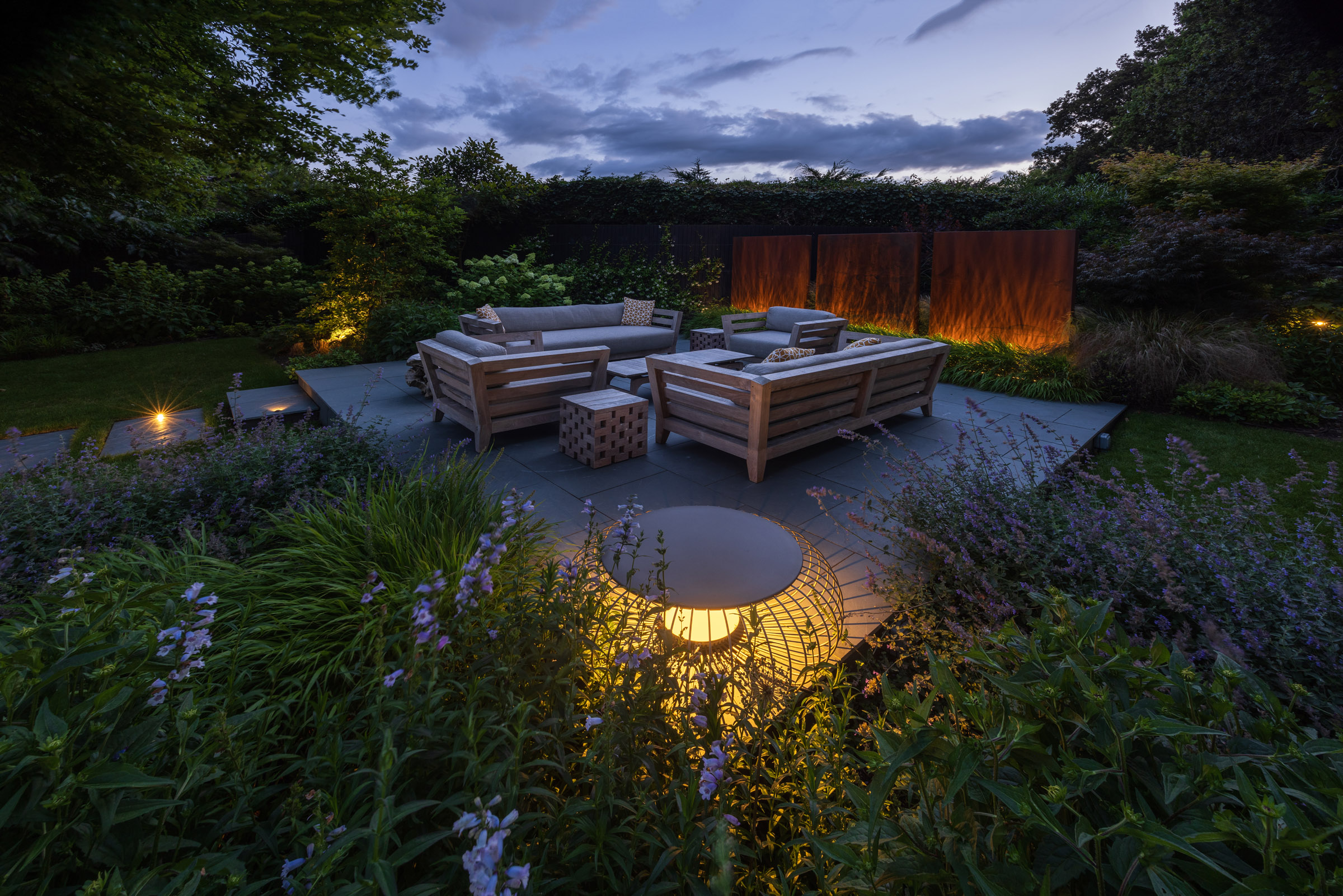
Successful flower borders rely on more than just their colours; height plays just as important a role when it comes to creating depth and visual balance. Many of the same principles apply when designing a garden border, where careful layering helps each plant contribute to the overall composition without competing for attention.
Rather than placing plants randomly, make sure that you consider exactly how they will look once they are fully established. Taller plants are often useful for providing a backdrop, medium sized varieties will add body through the centre of the border, while the use of lower growing plants will soften the edges which will create a transition to paths or lawns.
A nicely balanced border might include:
- Tall ornamental grasses or flowering perennials towards the back.
- Medium height shrubs and perennials through the middle.
- Ground cover and edging plants at the front.
- Spring bulbs emerging between established planting.
This layered approach allows each plant to be appreciated while preventing larger species from overwhelming smaller varieties.
Plan in Advance for Every Season
A flower garden should not reach its peak for only a few short weeks before becoming uninteresting for the rest of the year. The most memorable gardens will evolve gradually, with one group of plants taking over as another finishes flowering. This will create a sense of continual change and will make sure that there is always something out there that is worth noticing.
When planning your layout, consider including:
- Spring bulbs for early colour.
- Summer flowering perennials.
- Autumn foliage and ornamental grasses.
- Evergreen shrubs for winter structure.
- Trees with attractive bark or seasonal colour.
By designing with every season in mind, the garden becomes an enjoyable place to visit throughout the entire year rather than just during summer.
Repeat Planting for a More Elegant Look
Many amateur gardens contain dozens of different plant varieties, each appearing only once. While every individual plant may be attractive on its own, the overall effect can feel disjointed and can lack cohesion.
Repeating groups of the same plants throughout the borders will create rhythm and will allow the eye to move comfortably through the space. This repetition is one of the defining characteristics of professionally designed gardens and often makes the planting feel calmer and more sophisticated.
Rather than constantly introducing something new, allow favourite plants to appear several times throughout the garden. The result is a layout that feels intentional rather than accidental.
Use Colour with Restraint
Colour really does have a powerful influence on the atmosphere of a garden.
Bright combinations can feel energetic and vibrant, while softer palettes can be used to create a sense of tranquillity. Neither approach should ever be considered right or wrong, but consistency is the most important thing.
Instead of trying to include every colour available, choose a palette that is able to complement both your home and the surrounding landscape. Repeating similar tones throughout the borders helps unify the design while allowing individual feature plants to stand out.
Many contemporary gardens are able to achieve their timeless appearance by using restrained colour schemes that are supported by varied foliage and texture rather than relying solely on bold flowers.
Include Spaces to Pause and Enjoy the Planting
The best flower gardens are designed with the extension that they are enjoyed regularly and not just admired from a patio.
Adding additional seating areas or winding paths within the garden will encourage people to slow down and really start to appreciate the planting from many different perspectives. These moments also help break the space into smaller, more intimate areas, making even larger gardens feel welcoming and comfortable.
Whether it is a small bench beneath a tree or a terrace that is surrounded by flowering borders, these places can become some of the most enjoyable parts of the garden throughout the year.
Allow the Garden Time to Mature Naturally
One of the most rewarding aspects of garden design is that it improves with time.
While there is no doubt that it is tempting to fill every single gap immediately, giving plants some space to grow will usually produce a more natural and balanced looking result. Patience is an important part of the process, and a well designed flower garden should continue to develop and become more beautiful with each passing season.
At Chris Deakin Garden Design, planting schemes are created with long term growth in mind, giving gardens the chance to mature gracefully while retaining their structure and visual balance.
Final Thoughts
Learning how to design a flower garden layout is about much more than just arranging your flower selections into attractive borders. It involves creating a framework that will support beautiful planting and planning for every season while making sure that every part of the garden works together as one cohesive landscape.
By combining structure, layered planting, carefully chosen colour palettes and thoughtful repetition, you can create a garden that remains elegant, balanced and full of interest throughout the year.
Whether you have decided to refresh an existing garden or you are starting with a completely blank canvas, taking the time to plan the layout carefully will reward you with an outdoor space that continues to bring enjoyment for many years to come.
Frequently Asked Questions
What is the best way to design a flower garden layout?
Start by creating the overall structure of the garden with paths, lawns, trees and shrubs before selecting flowering plants. This provides a strong framework that looks attractive throughout the year.
How do I make a flower garden look professional?
Repeating planting groups, layering plants by height, using a consistent colour palette and designing for every season all help create a more cohesive and professionally designed appearance.
Should I plant flowers in groups?
Yes. Planting in generous groups rather than individually creates greater visual impact and helps the borders feel more balanced and natural.
How can I make my flower garden interesting all year?
Combine spring bulbs, summer flowering perennials, autumn foliage, ornamental grasses and evergreen planting so there is always something providing colour, texture or structure.
Should I hire a garden designer for a flower garden?
A professional garden designer can help create a planting scheme that suits your home, your lifestyle and your garden’s conditions, ensuring the layout continues to develop beautifully as the garden matures.
Norfolk Woodland Garden
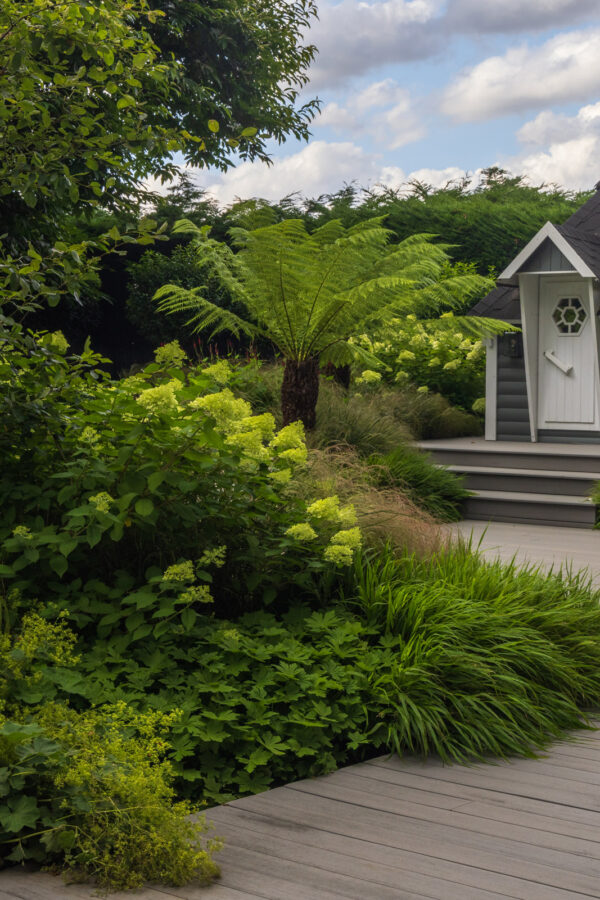
This beautiful family home on the edge of Norwich, was built amongst a number of wonderfully established trees, giving the site a woodland feel.
Read More
Suffolk Contemporary Cottage Garden
A contemporary retreat blending tradition with modern design.
Read More
Norfolk Contemporary Flint House
A beautiful, contemporary flint house situated in a small village in North Norfolk
Read More
Norfolk House in the Norfolk Broads
Beautiful thatched, brick farmhouse, situated in the heart of the Norfolk Broads.
Read More