

A woodland garden offers something that is truly special. Rather than relying on any bold or formal planting, it embraces the beauty of nature in order to create a peaceful and layered landscape that changes with the seasons. Whether you have a mature garden with more established trees or you just want to recreate the atmosphere of a woodland setting, thoughtful planning is essential.
If you are wondering how to design a woodland garden, the real key is to work with all of the natural characteristics of your space rather than against them. Shade and seasonal colour paired with carefully selected planting will all come together to create a garden that feels calm and immersively beautiful.
In this guide, we will fully explore the principles of woodland garden design and how to create an outdoor space that feels both natural and carefully considered.
Get Started by Understanding Your Site
Every successful garden begins with gaining a good understanding of the landscape.
You should note that Woodland gardens are particularly influenced by their surroundings, so it is very important to assess the conditions before making any final design decisions.
Always consider factors such as:
- The amount of shade throughout the day.
- Existing mature trees and shrubs.
- Soil type and drainage.
- Natural slopes or changes in level.
- Views both into and out of the garden.
Rather than seeing mature trees as an obstacle, they can become the foundation of the whole design. Their structure and their seasonal character help create the atmosphere that makes woodland gardens so appealing.
Try to Embrace Naturalistic Planting
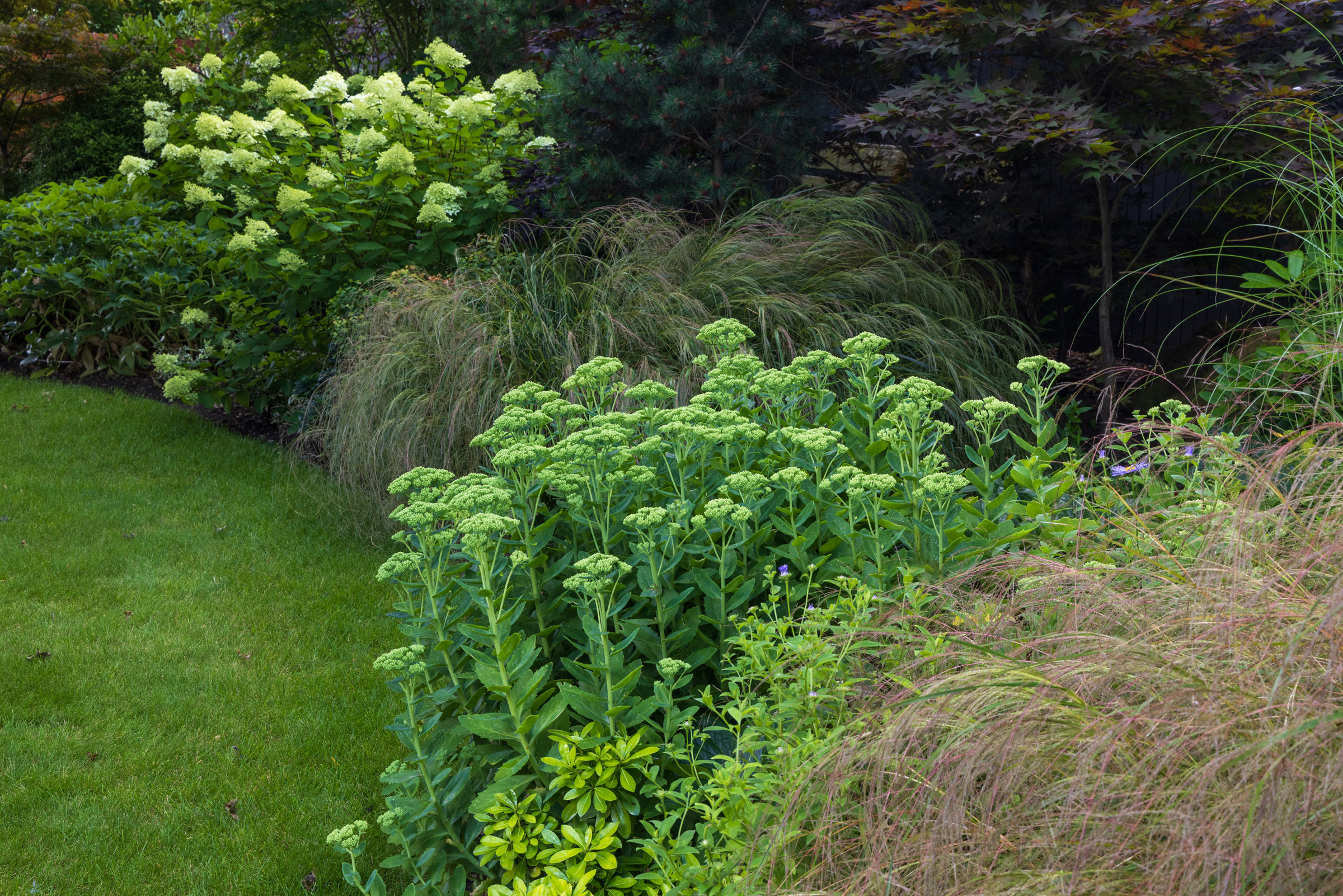
One of the most defining features of a woodland garden is its relaxed planting style; unlike more formal gardens, woodland planting is designed to appear as though it has developed naturally over time. Plants are grouped in generous drifts, which allows different textures and heights to blend together. These same planting principles are equally important when designing a garden border, helping create depth, rhythm and a natural flow throughout the landscape.
Some of the most popular woodland plants include:
- Ferns.
- Hostas.
- Foxgloves.
- Hellebores.
- Anemones.
- Bluebells.
- Snowdrops.
- Wood anemones.
- Brunnera.
- Epimedium.
By repeating groups of plants throughout the whole garden, you can create rhythm and cohesion while maintaining a natural appearance.
Think in Layers
It is said that nature rarely grows on a single level.
A well designed woodland garden combines several different layers of planting in order to create depth and visual interest.
These usually nclude:
- Tree canopy.
- Smaller ornamental trees.
- Shrubs.
- Perennials.
- Ground cover.
- Seasonal bulbs.
Each layer plays a different role, helping the garden feel full without appearing to be too overcrowded.
By using this layered approach, you can also extend the garden’s interest throughout the year and make sure that there is always something to appreciate as the seasons change.
Always Make the Most of Shade
Many people who love their garden view shade as a limitation, but it can actually become one of a woodland garden’s greatest strengths.
Shade creates opportunities for softer planting palettes and subtle textures along with calming green tones that are very difficult to achieve in full sun.
Instead of trying to force sun loving plants into difficult conditions, why not choose species that naturally thrive beneath trees?
The result is often a healthier garden that actually requires less intervention and maintenance throughout the year.
An Introduction to Meandering Paths
Woodland gardens invite exploration, so rather than straight paths leading directly from one point to another, having gently winding routes will encourage visitors to slow down and experience different views as they wander through the garden.
Natural materials such as gravel or stone can help to reinforce the woodland character while blending comfortably into the surrounding planting.
Paths should feel like a natural part of the landscape rather than dominating it.
Create Seasonal Interest
Although woodland gardens are most often associated with spring, a carefully designed scheme should be able to provide interest right throughout the year.
Spring may bring carpets of bulbs and fresh foliage, while summer will introduce texture and rich green planting. Autumn will often deliver spectacular colour through changing leaves, and ornamental grasses before winter reveals the structure of trunks and branches.
Designing for every season will make sure that the garden remains enjoyable regardless of what time of year it is.
Use Natural Materials Throughout
When it comes to creating the perfect woodland garden, the choice of materials will have a significant influence on the finished appearance. Using stone, and gravel or weathered metals tend to sit comfortably within natural surroundings and age gracefully over time.
Features such as timber seating, or rustic pergolas, along with natural boulders can all become focal points without making the space feel overly formal. The aim here is to complement the surrounding landscape rather than compete with it.
Include Places to Pause for a Second
A woodland garden is designed to be experienced rather than just viewed, so always consider including seating areas that allow the option of pausing and enjoying the changing light and seasonal planting.
These spaces do not need to be that large, for example a carefully positioned bench beneath a mature tree or a small gravel terrace surrounded by planting can become one of the most enjoyable parts of the whole garden.
Creating destinations within the landscape will help the garden feel larger and will encourage people to spend more time outdoors.
Encourage Wildlife to Thrive
One of the great benefits of woodland gardens is the habitat they are able to provide for wildlife.
Trees and layered planting will naturally attract birds and pollinating insects, which helps to create a garden that feels full of life.
Adding some simple additions such as bird feeders or a shallow water feature can encourage biodiversity even further while remaining sympathetic to the overall design, creating a thriving ecosystem that contributes to the long term health of the garden.
Balance Natural Beauty with Structure
Although woodland gardens do appear informal, the best examples are actually very carefully planned.
The strongest designs will strike the perfect balance between natural planting with subtle structure, making sure that the space feels intentional rather than unmanaged. This might include framed views, carefully positioned specimen trees or repeated planting combinations that guide the eye through the landscape.
At Chris Deakin Garden Design, each and every garden begins with gaining a detailed understanding how the client wants to use the space before creating a design that feels both elegant and entirely individual.
Should You Design a Woodland Garden Yourself?
Smaller woodland style gardens can often be created as a gradual project, especially if you already have mature trees and favourable conditions.
However, larger gardens or more ambitious transformations will benefit greatly from a professional design.
An experienced designer can identify opportunities that may not be immediately obvious, which can help to balance planting and circulation with focal points and long term maintenance, while always making the most of the site’s natural character.
With more than 30 years of experience creating bespoke gardens throughout Norfolk and beyond, Chris Deakin Garden Design creates landscapes that feel timeless, refined and perfectly suited to both the property and its surroundings.
Final Thoughts
Learning how to design a woodland garden entails much more than selecting shade-loving plants. It involves gaining an understanding of the landscape and working with nature in order to create a garden that feels immersive throughout every season.
By combining layered planting, natural materials, meandering paths and thoughtful structure, you can create an outdoor space that offers tranquillity and beauty.
Whether you are transforming a mature garden or planning a completely new landscape, a careful design process will ensure that every element works together in order to create a woodland garden that feels effortless while remaining beautifully considered.
Frequently Asked Questions
What plants are best for a woodland garden?
Many woodland plants thrive in partial or full shade, including ferns, hostas, hellebores, foxgloves, bluebells, wood anemones and epimedium. The best choice will depend on your the condition of your soil and the amount of light that is available.
Can you create a woodland garden in a small space?
Yes. Even modest gardens can capture the character of a woodland setting by using layered planting, shade tolerant species, natural materials and winding paths to create a sense of depth.
Do woodland gardens require a lot of maintenance?
Once established, many woodland gardens are relatively low maintenance. Choosing plants suited to the conditions reduces the need for watering and frequent intervention, while seasonal mulching and occasional pruning help keep the garden looking its best.
Can a woodland garden include seating areas?
Absolutely. Carefully positioned benches or small terraces encourage you to enjoy the atmosphere of the garden and create quiet spaces for relaxation throughout the year.
Should I use a professional garden designer for a woodland garden?
A professional designer can help you make the most of your site’s natural features, develop a cohesive planting scheme and create a woodland garden that remains attractive and functional for many years to come..
Norfolk Woodland Garden
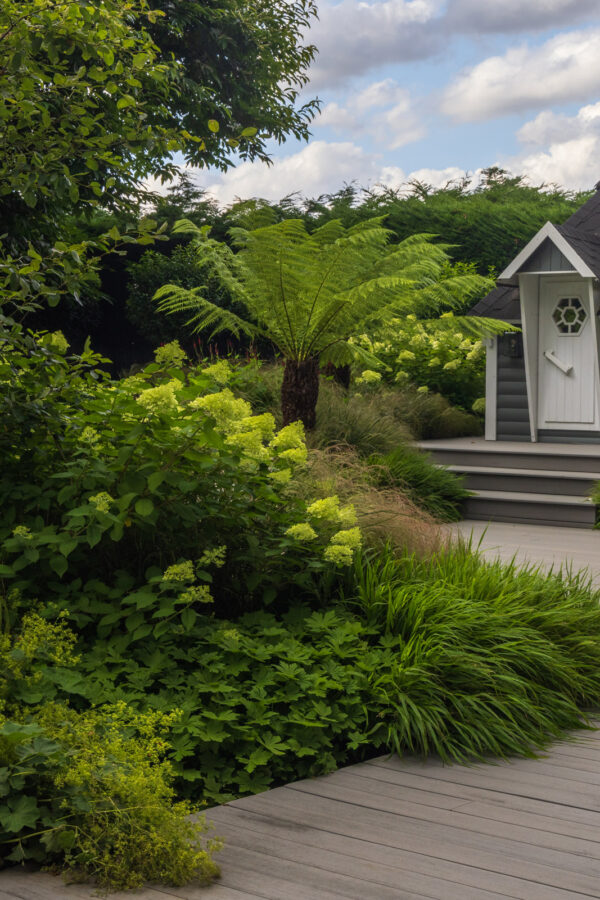
This beautiful family home on the edge of Norwich, was built amongst a number of wonderfully established trees, giving the site a woodland feel.
Read More
Suffolk Contemporary Cottage Garden
A contemporary retreat blending tradition with modern design.
Read More
Norfolk Contemporary Flint House
A beautiful, contemporary flint house situated in a small village in North Norfolk
Read More
Norfolk House in the Norfolk Broads
Beautiful thatched, brick farmhouse, situated in the heart of the Norfolk Broads.
Read More