

There is something that is wonderfully inviting about a traditional cottage garden. Overflowing flower borders and winding pathways paired with fragrant blooms, that creates a relaxed mix of colours that feels beautiful and welcoming.
Unlike more formal gardens, where symmetry and carefully clipped hedges will often be more likely to take centre stage, cottage gardens embrace a much more natural approach to planting. Flowers will mingle with shrubs and climbing plants will soften walls and fences, while seasonal interest brings something new to enjoy throughout the year.
However, achieving that effortless appearance takes much more thought than just filling some borders with flowers. Choosing plants that complement each other and suit your garden conditions, while also being able to provide interest across the seasons, are all essential.
In this guide, I am going to explore the best plants for a cottage garden, from traditional flowering favourites to structural shrubs and climbing plants, along with some practical advice for creating a beautiful cottage garden here in the UK.
What Makes a Good Cottage Garden Plant?
The most successful cottage gardens are the ones that are able to combine an appearance that looks slightly informal with a carefully considered planting scheme.
Rather than having to rely on any individual statement plants, the aim is to look to create layers of colour and texture that are able to work well together in a natural way.
When choosing plants for a cottage garden, it is best to look for varieties that offer:
- Abundant flowers: Generous displays of blooms will help to create the romantic and colourful appearance that is often associated with cottage gardens.
- Long flowering periods: Having plants that will all flower at different times will make sure that your borders remain attractive throughout the growing season.
- Varied heights: Taller plants will provide structure towards the back of borders, while smaller varieties will be there to soften the edges.
- Wildlife benefits: Nectar-rich flowers will encourage beneficial insects such as bees and butterflies.
- Complementary foliage: Interesting leaf shapes and textures help maintain visual appeal even when plants are not flowering.
It is also very important that you consider your garden’s soil and sunlight, as a plant that thrives in a sheltered courtyard may struggle in an exposed Norfolk coastal garden.
10 Best Plants for a Cottage Garden
The following list of plants are those I feel are particularly well suited to traditional and contemporary cottage garden designs in the UK.
1. Roses
Roses are among the most recognisable cottage garden plants, as they bring beautiful fragrance and a timeless character to borders.
English shrub roses work very well when placed alongside herbaceous perennials, while climbing roses can transform arches and walls into attractive garden features.
Softer pinks and apricot varieties can be especially effective in romantic planting schemes.
Something to note is that most roses prefer a sunny position with fertile, well-drained soil; therefore, regular feeding and pruning help maintain healthy growth and encourage flowering.
2. Delphiniums
With their tall flowering spikes and striking shades of blue, purple, pink and white, delphiniums are able to bring more height and drama to cottage garden borders.
They are particularly effective when they are planted in groups among lower-growing perennials, which can create an attractive contrast between upright flower spikes and softer foliage.
Keep in mind that delphiniums usually prefer fertile but well-drained soil and a sunny, sheltered position, and taller varieties may need staking in order to keep them protected from strong winds.
3. Foxgloves
Foxgloves are an ideal choice if you are looking to introduce a natural and slightly wild character to a cottage garden.
Their elegant flower spikes will look particularly attractive beneath trees or alongside pathways.
Many traditional foxgloves are biennial, as they will produce foliage during their first year and then flowers during their second. They will often self-seed, which helps to establish natural-looking displays in the long run.
Foxgloves are able to tolerate partial shade, which makes them very useful for areas where sun-loving cottage garden plants might struggle a bit.
Something you must be aware of is that all parts of the plant are poisonous if they are ever ingested, so always consider their placement carefully in gardens used by young children and pets.
4. Lavender
Lavender is always a wonderful choice for cottage gardens, as it offers fragrant flowers and attractive evergreen foliage, along with excellent value for pollinators.
It works particularly well when placed along pathways or around seating areas where its fragrance can be easily appreciated.
English lavender is usually very well suited to the climate here in the UK, provided it receives plenty of sunlight and grows in free-draining soil.
Make sure that you avoid planting lavender in heavy, waterlogged ground, particularly during winter.
5. Hollyhocks
Hollyhocks bring a distinctly traditional feel to cottage gardens, with tall stems covered in large, colourful flowers.
They look especially attractive when they grow against brick walls and fences, as their height is a really good way to soften architectural features.
Available in shades of pink, red, yellow, white and purple, hollyhocks provide really impressive summer displays.
Just make sure that you select a sunny, sheltered location that allows adequate airflow around plants in order to help reduce the risk of rust disease.
6. Geraniums
Hardy geraniums, which are also known as cranesbills, are some of the most useful plants when it comes to filling gaps in cottage garden borders.
Their spreading growth habit creates a soft carpet of foliage and flowers, which helps connect taller plants and will reduce the amount of exposed soil.
Varieties such as Geranium ‘Rozanne’ offer an extended flowering season, often producing blue violet flowers from early summer into autumn.
Many hardy geraniums are fairly easy to maintain and are able to tolerate a wide range of garden conditions, although requirements vary between varieties.
7. Peonies
Peonies are widely valued for their spectacular late spring and early summer flowers, which bring a real sense of elegance to cottage garden planting schemes.
Their large blooms are available in beautiful shades of white, blush pink, coral and deep red.
Although their flowering period is quite short, their attractive foliage will continue to make a valuable contribution to the border right throughout summer.
Something to keep in mind is that peonies do generally prefer fertile and well-drained soil in a sunny position. Once they are established, they can remain productive for many years with relatively little disturbance.
8. Cosmos
Cosmos are an excellent choice if you are looking to add light and movement to cottage garden borders.
Their delicate, daisy-shaped flowers sit above fine, feathery foliage, which creates an airy appearance that contrasts beautifully with larger flowering perennials.
Cosmos will usually be grown as annuals here in the UK and can flower from summer until the first frosts.
They can be extremely useful when you use them to fill in any temporary gaps while slower-growing perennial plants are becoming more established.
9. Salvia
Salvias are versatile cottage garden plants that will provide you with vibrant colours and attract pollinating insects.
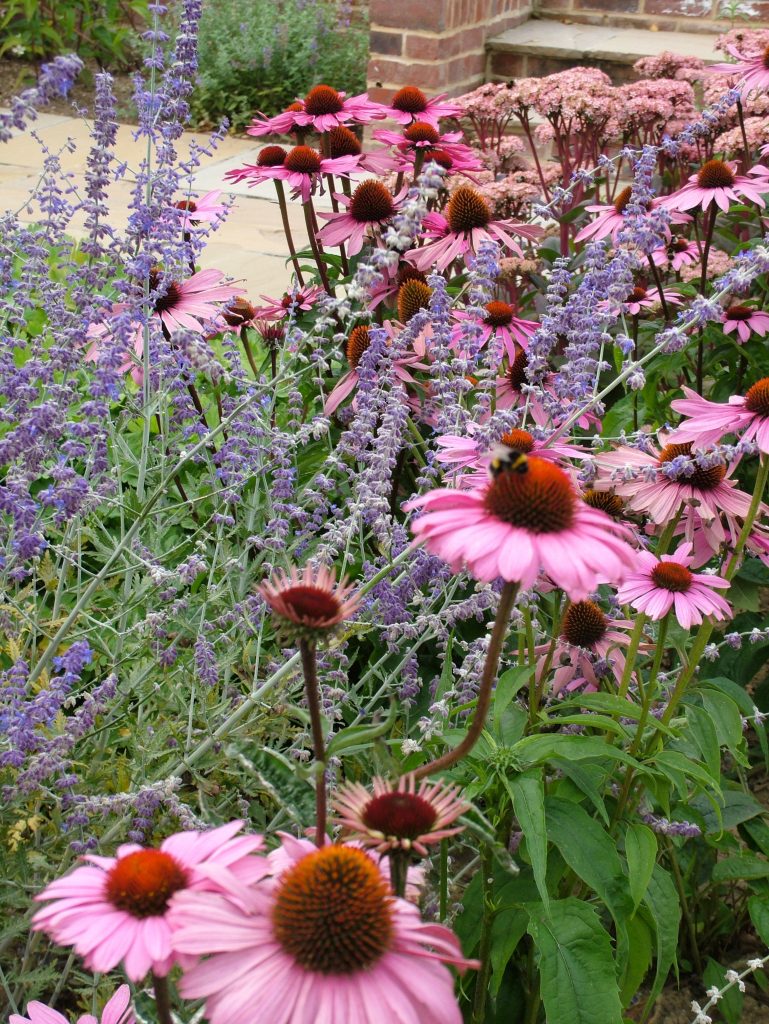
Varieties such as Salvia nemorosa will produce upright flower spikes in shades of purple, violet and blue, which will all combine beautifully with roses, geraniums and ornamental grasses.
Many salvias will thrive in sunny positions with well-drained soil, although hardiness varies considerably between species.
Removing faded flowers can encourage further flowering in suitable varieties.
10. Clematis
Clematis can be a really excellent choice if you are looking to bring some colour and interest to vertical spaces.
These climbing plants can be trained over arches and fences, which can help to create the enclosed and intimate atmosphere that cottage gardens are usually known for.
Different varieties flower at different times, allowing gardeners to enjoy blooms from spring through to autumn.
Most prefer their roots to remain cool while their upper growth receives sufficient light. Pruning requirements depend on the variety, so choose carefully before planting.
How to Arrange Plants in a Cottage Garden
Selecting attractive plants is only one part of creating a successful cottage garden, and how you then arrange them will play just as much of an important role.
Create Layers of Height and Texture
Place taller plants such as delphiniums, foxgloves and hollyhocks towards the back of borders, with medium-height roses and salvias in front of them.
Lower-growing geraniums and lavender can then be used to soften the edges of pathways and planting beds.
For deeper borders, repeating plants at different positions will help to create a more natural appearance than arranging everything in rigid rows.
For more inspiration on creating attractive planting schemes, explore our guide to the best plants for garden borders, including ideas for combining different heights, colours and textures.
Choose a Complementary Colour Palette
Although cottage gardens are usually associated with an abundance of colour, choosing a well-considered palette can make the overall design feel much more cohesive.
Softer shades of pinks, blues, purples and whites will help to create a romantic atmosphere, while stronger reds, oranges and yellows produce a more vibrant appearance.
At Chris Deakin Garden Design, planting schemes are considered alongside the surrounding architecture and landscape, helping to make sure that individual plants contribute to a balanced overall composition.
Plan for Seasonal Interest
A beautiful cottage garden should offer more than a single burst of summer flowers.
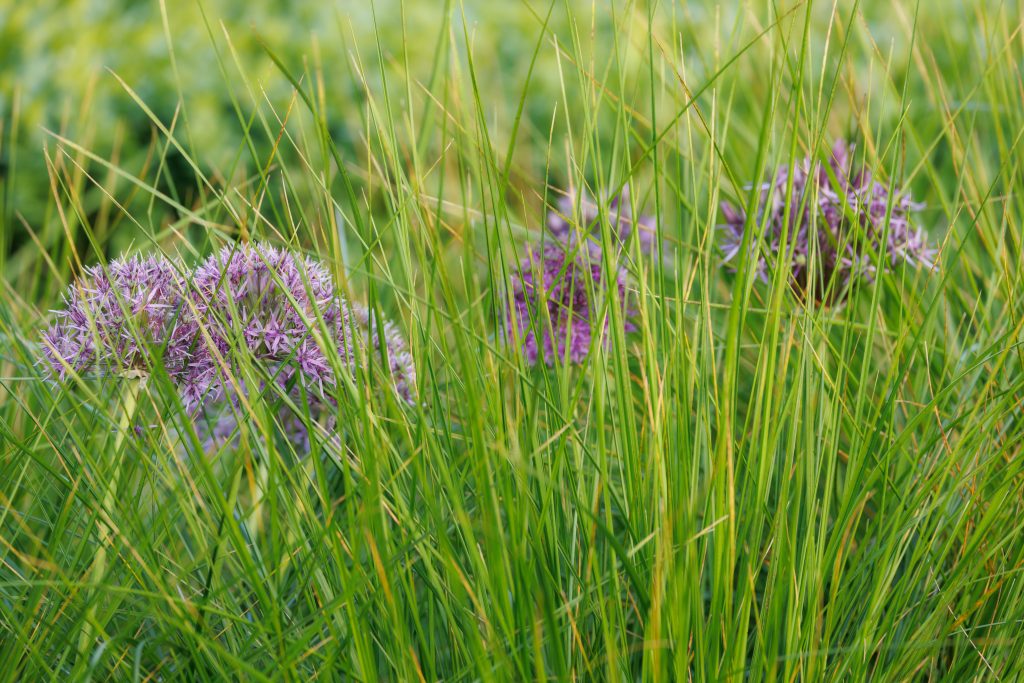
Spring bulbs such as tulips and alliums are good options for providing early colour, followed by peonies, roses and delphiniums.
Later flowering plants such as cosmos and asters along with certain types of salvias can extend interest into autumn.
Evergreen shrubs and ornamental grasses can also provide structure when many flowering perennials have died back.
Choosing the right plants for year-round interest can help ensure your garden remains attractive throughout the seasons, even when its main summer flowers have finished.
Creating a Cottage Garden in Norfolk
Norfolk’s varied landscapes present many different opportunities and challenges for cottage garden planting.
Sheltered gardens around Norwich may be able to support a wide range of traditional flowering perennials, while more exposed coastal properties will usually call for plants that are able to tolerate stronger winds, salt exposure and free draining soils.
In gardens with sandy soil, drought-tolerant plants such as lavender and certain salvias can be particularly effective. Heavier soils may benefit from organic matter and careful plant selection.
The key is to develop a planting scheme that responds to the conditions rather than having to rely on just appearance.
With over 30 years of experience, Chris Deakin Garden Design creates considered garden designs across Norwich and Norfolk, combining garden planting, structure and landscape features to produce outdoor spaces suited to their surroundings.
Whether you are developing a traditional country cottage garden or introducing informal planting into a contemporary property, a carefully planned design can help create a garden that feels natural, welcoming and beautifully composed.
Frequently Asked Questions
What are the easiest cottage garden plants to grow?
Hardy geraniums, lavender and cosmos along with many varieties of salvia are relatively straightforward to grow when they are planted in suitable conditions. Choosing plants that match your soil and sunlight is the most effective way to reduce ongoing maintenance.
What plants flower the longest in a cottage garden?
Geranium ‘Rozanne’, cosmos and certain repeat flowering roses and salvias can provide colour over an extended period. Combining plants with different flowering seasons helps maintain interest throughout the year.
Can you create a cottage garden in a small space?
Yes. Cottage garden planting works very well in smaller gardens because the informal style encourages generous planting and creative use of vertical space. Climbing roses, clematis and compact perennials are really good for helping you to create a lush appearance without requiring extensive borders.
Do cottage gardens require a lot of maintenance?
Cottage gardens generally require seasonal attention, including pruning, deadheading, weeding and dividing established perennials. However, selecting resilient plants and using suitable ground cover can reduce maintenance requirements considerably.
What is the best time to plant a cottage garden in the UK?
Spring and autumn are generally excellent times to establish many hardy cottage garden plants, as cooler temperatures and seasonal rainfall help encourage root development. Tender annuals such as cosmos should usually be planted outside after the risk of frost has passed.
How do you make a cottage garden look natural?
Use repeated groups of plants, vary flower heights and combine different foliage textures. Allowing some plants to mingle and gently overlap creates a softer appearance, while a consistent colour palette and well defined pathways help prevent the garden from looking untidy.
Norfolk Woodland Garden
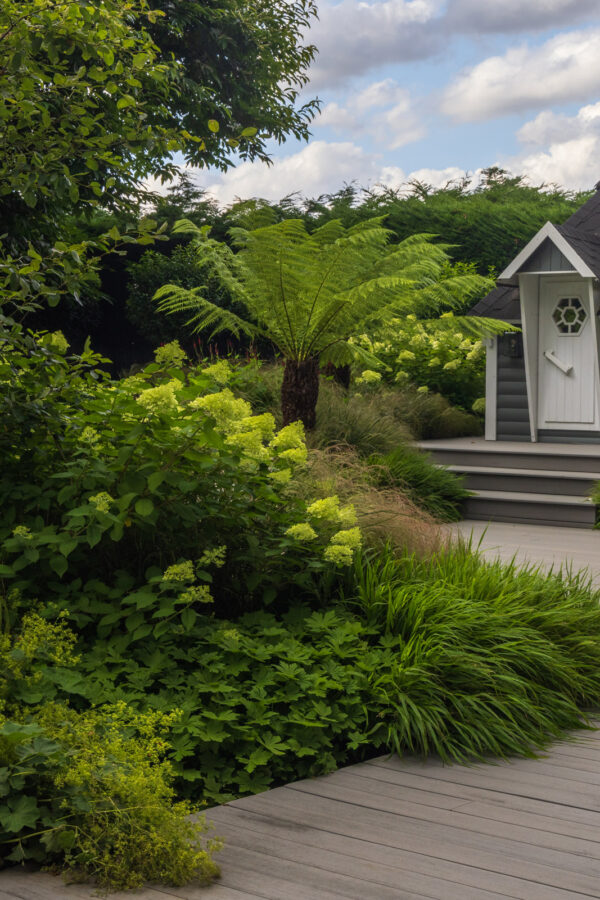
This beautiful family home on the edge of Norwich, was built amongst a number of wonderfully established trees, giving the site a woodland feel.
Read More
Suffolk Contemporary Cottage Garden
A contemporary retreat blending tradition with modern design.
Read More
Norfolk Contemporary Flint House
A beautiful, contemporary flint house situated in a small village in North Norfolk
Read More
Norfolk House in the Norfolk Broads
Beautiful thatched, brick farmhouse, situated in the heart of the Norfolk Broads.
Read More