

Choosing the best plants for garden borders is about far more than filling empty space. A well-planted border brings structure and rhythm, along with seasonal interest to a garden, helping the entire space feel more complete. When borders are done well, they frame views, guide the eye, which creates that sense of abundance and harmony that so many homeowners are looking for.
Yet this is where many gardens fall short. Borders can easily become a random mix of plants that look appealing when viewed in isolation but do not truly work together. The result is often a space that feels inconsistent and lacks impact, or looks attractive for only a short window of the year.
The most successful borders are carefully considered as they balance shape and texture, along with colour, and timing so that the garden continues to feel alive and rewarding throughout the seasons. If you are wondering which are the best plants for garden borders, the answer does not just depend on appearance, but on how those plants work together within the wider design.
This is one of the areas where thoughtful planning makes an enormous difference. At Chris Deakin Garden Design, garden planting is not treated as an afterthought. It plays a central role in shaping how a garden feels, how it matures, and how it is experienced over time.
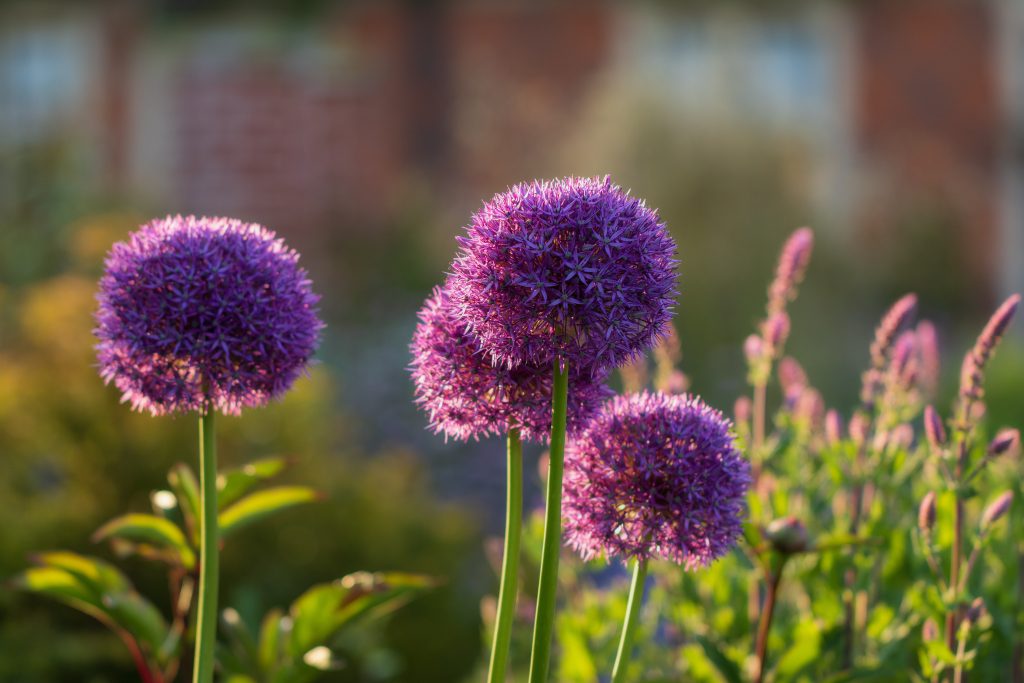
Start With Structure Before Colour
One of the most common mistakes people make when planting borders is choosing flowers first and structure second. It is understandable. Colour is often what catches the eye. But a beautiful border relies on strong bones long before the seasonal highlights come into play.
Structure gives a border presence even when flowers fade. It helps to create a rhythm that supports visual balance and prevents the planting scheme from feeling flat or chaotic. Evergreen shrubs, clipped forms, ornamental grasses, and architectural perennials all contribute to this underlying framework.
Once structure is in place, colour becomes far more effective. Instead of competing for attention, flowering plants can be used to lift and animate the border in a way that feels intentional.
This is often the difference between a border that looks briefly impressive and one that feels consistently elegant.
Think About Height and Layering
The best garden borders have depth. They draw the eye through the planting rather than presenting everything on one level and layering is an essential part of achieving this.
Taller plants are often best positioned toward the back of a border, with medium height plants in the middle and lower growing varieties nearer the front. When it comes to island beds or more informal layouts, the approach may vary a little more, but the principle remains just the same. Height should feel deliberate and balanced.
Good layering helps create:
- A stronger sense of depth
- Better visibility of individual plants
- A more natural progression through the border
- Greater visual impact from every angle
Without this thought, borders can quickly become more muddled, with important plants hidden and the overall design lacking clarity.
Choose Plants That Offer Seasonal Interest
A border that peaks for a few weeks and then disappears is rarely satisfying. The strongest planting schemes are designed to evolve and offer interest across as much of the year as is possible.
This does not mean every plant needs to perform in every season. It means the border as a whole should continue to provide something worth looking at. Spring bulbs may be followed by early summer perennials, then late summer colour, autumn structure, and winter shape.
Some of the best plants for garden borders are valued not just for flowers, but for seed heads, foliage and bark. These quieter qualities often make the difference in a more mature and refined planting scheme.
When carefully composed, a border can feel dynamic without ever feeling restless.
For more in depth reading on this, make sure you read our full blog on how to choose the best plants for your garden here.
The Best Plants for Garden Borders
There is no single list that suits every garden absolutely perfectly, but there are certain plants that repeatedly prove their value when it comes to well-designed borders. They combine beauty with reliability and offer strong garden performance when used in the right setting.
Salvia
Salvia is one of the most dependable choices if you are looking to add long lasting colour and vertical energy to a border. Its upright flower spikes work beautifully among softer forms, and its extended flowering period makes it especially valuable.
It suits both contemporary and more traditional gardens, depending on the surrounding palette and planting style.
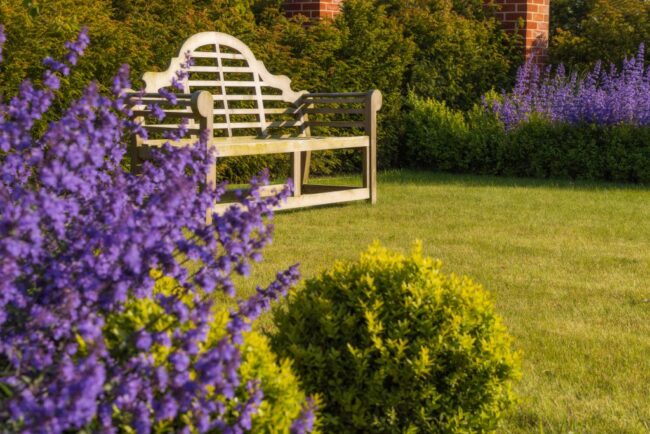
Nepeta
Nepeta is often loved for its soft and relaxed haze of violet blue flowers. It is excellent for softening edges and introducing movement into a border. It also pairs particularly well with more structured planting.
For anyone looking to create a border that feels natural yet controlled, Nepeta is often a strong choice.
Verbena bonariensis
Few plants create such lightness and transparency. Verbena bonariensis rises above neighbouring plants without feeling heavy, which allows layers beneath it to remain visible. This makes it especially useful in borders where a sense of airiness is important.
It brings rhythm and movement, particularly when planted in repeated drifts.
Lavender
Lavender remains one of the best loved border plants, and for a very good reason. It brings fragrance and an evergreen presence, while also helping create a clear sense of structure. In the right setting, it can feel classic without becoming predictable.
It is particularly effective in sunny borders where a Mediterranean influence is more welcome.
Geranium
Hardy geraniums are among the most useful plants for linking different parts of a border together. They weave through neighbouring plants, soften transitions, and often flower generously over a long period.
They do not always need to be the stars of the show, but they are often what makes the whole composition work.
Hydrangea
For larger borders or more sheltered gardens, hydrangeas can provide real presence. Their generous flower heads and strong foliage create impact, while their longevity through the seasons adds value.
They work especially well in borders where softness and a sense of quiet luxury are desired.
Ornamental grasses
Grasses bring movement and a textured seasonal drama. They catch the light beautifully and help borders feel less static. In autumn and winter, they often become even more valuable, adding warmth and structure after many flowering plants have faded.
If used well, they can make a border feel more contemporary and atmospheric.
Match Plants to the Conditions
One of the most overlooked parts of creating successful borders is choosing plants that genuinely suit the site. Even the best plants for garden borders will struggle if they are placed in conditions that do not support them.
Consider the following before planting:
- How much sun the border receives
- Whether the soil is free draining or heavy
- How exposed the site is to wind
- How much maintenance you are realistically willing to take on
This sounds simple, yet it is often where disappointment can begin. A border will only become truly beautiful when the plants are comfortable enough to thrive.
At Chris Deakin Garden Design, this suitability is a key part of the planting process. A visually striking scheme must also be practical and enjoyable to live with.
Use Repetition to Create Cohesion
Many amateur planting schemes become overly fragmented because every plant appears only once. While variety no doubt has its place, use of repetition is what brings a sense of calm and cohesion to a border.
Repeating certain plants or shapes helps unify the design and gives the eye something to recognise as it moves along the space. This does not mean rigid symmetry. It simply means allowing certain themes to recur.
Repetition can be created through:
- Repeated planting groups
- Similar flower shapes
- Consistent foliage tones
- Echoed textures across the border
This is one of the most effective ways to make a planting scheme feel designed rather than improvised.
Balance Bold Shapes With Softer Planting
A border becomes much more engaging when it combines contrast. Bold, architectural forms provide clarity and punctuation, while softer plants create flow and movement.
This balance really matters because too much uniform softness can feel a little vague, while on the other hand, too many bold statements can feel quite heavy handed. The most successful borders play these qualities off against one another.
A clipped evergreen form beside a frothier perennial planting scheme can create exactly the kind of tension that makes a garden feel sophisticated and complete.
This approach is often what gives professionally designed borders their depth and confidence.
Avoid These Common Border Planting Mistakes
Even with the best intentions, a few familiar mistakes can stop a border from reaching its potential.
- Choosing plants based only on flower colour
- Ignoring the mature size of each plant
- Using too many unrelated varieties
- Creating interest for only one season
- Forgetting the importance of foliage and form
A strong border is very rarely about having more plants. It is about making savvier choices about the ones you select and arranging them with thought.
Why Planting Design Matters So Much
Planting is often what people remember most about a garden. It softens the built elements and introduces life and seasonality, while creating that emotional connection that hard landscaping alone rarely manages to achieve.
When borders are designed thoughtfully, they elevate the entire garden. They help a space feel more settled and immersive. This is why planting design deserves careful attention from the outset, not simply at the final stage.
Chris Deakin Garden Design understands that the best gardens are not just functional or visually attractive. They are layered and atmospheric spaces that improve over time, and planting plays a major role in that transformation.
Final Thoughts
Finding the best plants for garden borders is not simply about selecting the most attractive flowers. It is about building a composition that works as a whole. Structure, seasonality, layering, repetition, and suitability all matter just as much as colour.
When these principles come together nicely, borders begin to do far more than decorate the edge of a garden. They create rhythm and a soft lasting beauty. The result is a space that feels even richer, more balanced, and far more enjoyable to spend your time in.
Whether your preference is for relaxed planting or more formal elegance, the strongest borders are always those that have been carefully considered from the beginning.
FAQs
What are the best plants for garden borders all year round?
The best plants for year round interest are those that offer more than one seasonal feature. Evergreen shrubs, ornamental grasses, hardy geraniums, hydrangeas, and lavender are all very strong choices, depending on the setting.
How do I make my garden borders look better?
Focus on structure, layering, and repetition. Borders tend to look better when they combine reliable shapes with seasonal highlights, rather than relying on too many unrelated plants.
What is the best low maintenance plant for garden borders?
Lavender, hardy geraniums, Nepeta, and many ornamental grasses are often considered good low maintenance options, provided they are planted in suitable conditions.
Should garden borders have plants of different heights?
Yes, varying heights will help to create depth and allow each plant to be seen properly. A border with considered layering will usually feel richer and more balanced than one planted all at a similar level.
How many types of plants should I use in a garden border?
In most cases, fewer types used well will create a stronger result than too many varieties. Repetition and cohesion are often more effective than trying to include everything at once.
Norfolk Woodland Garden
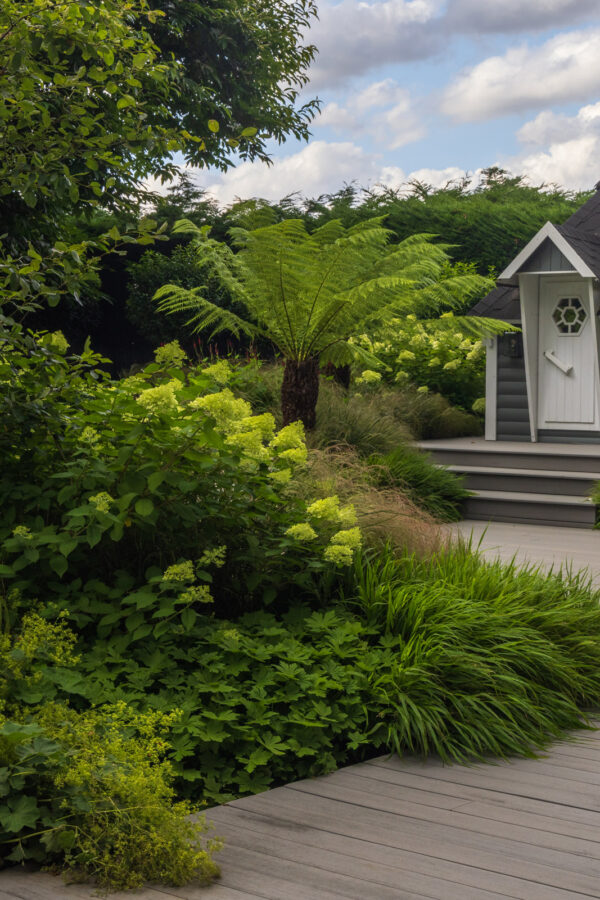
This beautiful family home on the edge of Norwich, was built amongst a number of wonderfully established trees, giving the site a woodland feel.
Read More
Suffolk Contemporary Cottage Garden
A contemporary retreat blending tradition with modern design.
Read More
Norfolk Contemporary Flint House
A beautiful, contemporary flint house situated in a small village in North Norfolk
Read More
Norfolk House in the Norfolk Broads
Beautiful thatched, brick farmhouse, situated in the heart of the Norfolk Broads.
Read More